
The Travel Culture guide to the UK
The Travel Culture guide to the UK
Where to go, where to stay and what’s worth the journey, from Cornish coves to the Scottish Highlands.
For a small island, the UK packs in an extraordinary amount. In a single weekend you can swap city streets for sea air, a Michelin-starred dinner for a pint by a pub fire, or a gallery morning for an afternoon on the fells. We’ve spent years exploring it, from country-house hotels in the Cotswolds to walks along the Pembrokeshire coast, and this guide gathers the places we’d send a friend. You’ll find our pick of regions and cities, the hotels we rate, the restaurants worth planning a trip around and practical advice on getting there. Whether you’re after a quick city break or a slow week in the countryside, start here.
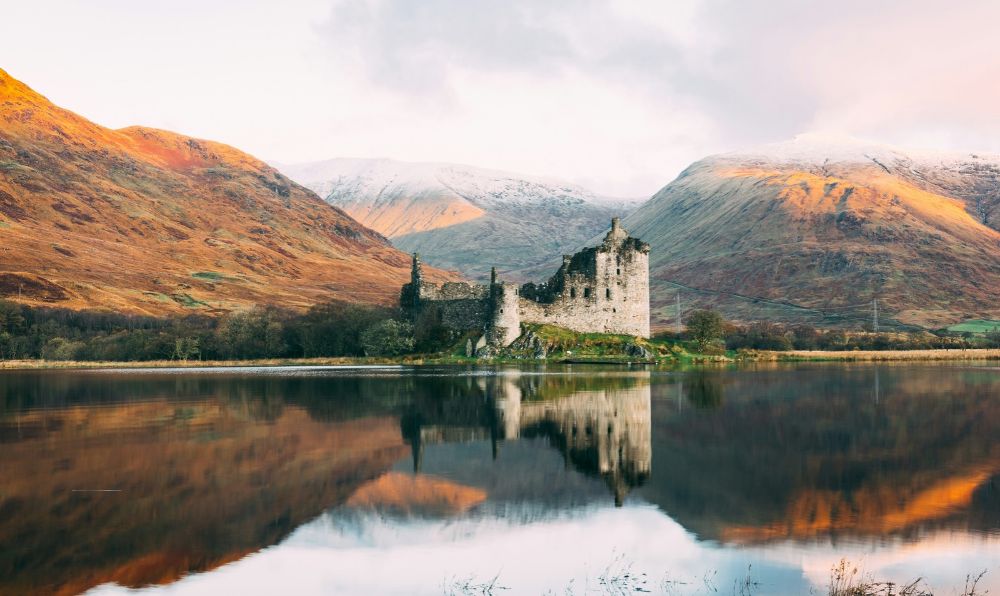
Download for later
Where to go: the regions
The UK is made up of four nations, and each has its own landscape, food and pace. These are the regions we return to most, with the practical details to help you pick your next trip.
England
London
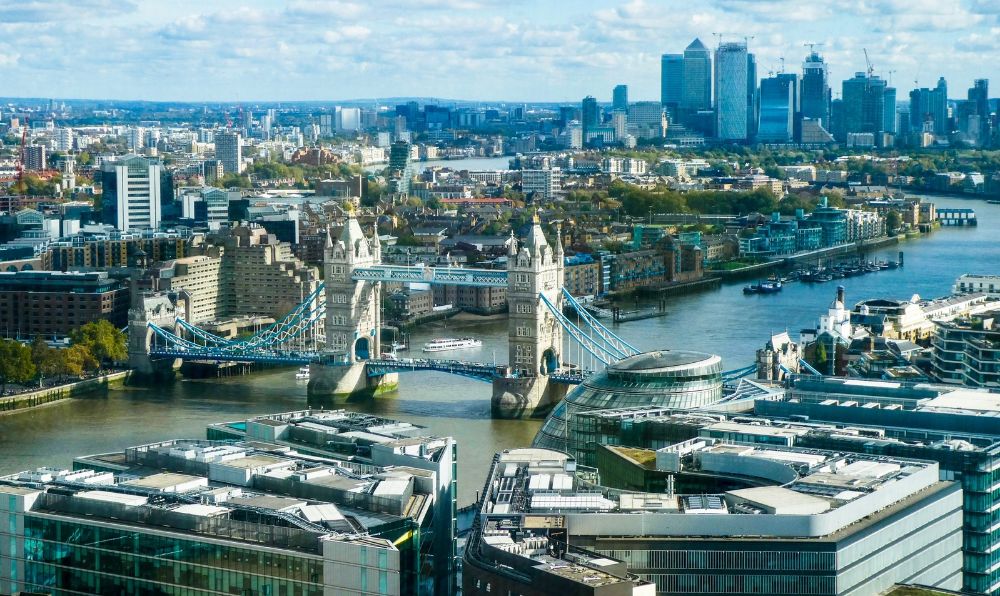
The capital needs no introduction, but it does deserve its own guide. For hotels, restaurants and the best things to do, head to our full London guide. [Read our London Guide]
The South West
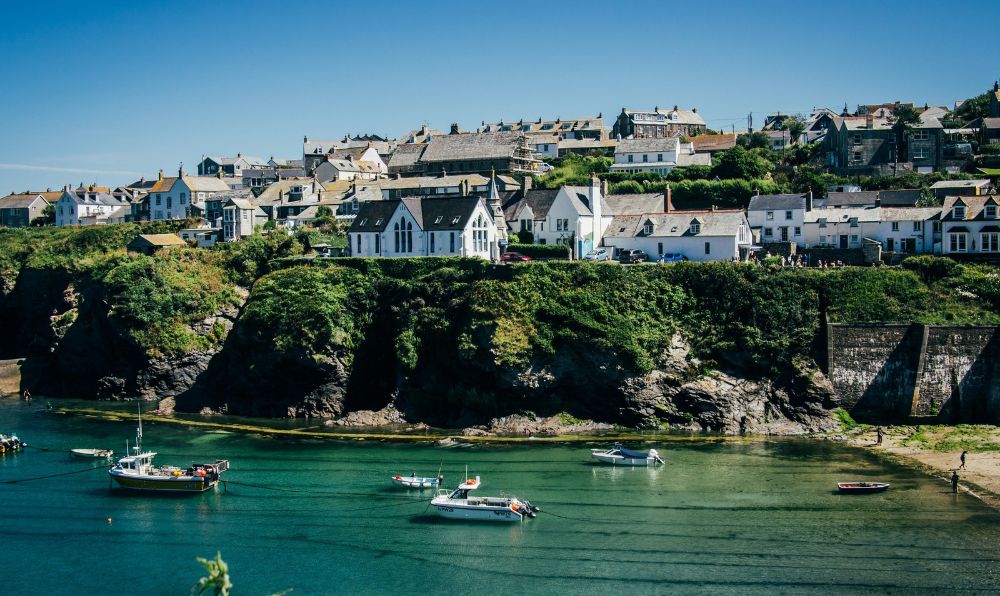
Cornwall and Devon are where the UK does coast best: surf beaches on the north shore, quiet coves and fishing harbours on the south, and some of the country’s most exciting seafood. Come in spring or early autumn for the light without the summer crowds.
Getting there: around five hours by train from London Paddington to Penzance, or less to Exeter and Plymouth for Devon · Best base: St Ives, Padstow or Salcombe
The Cotswolds
Honey-coloured villages, rolling wolds and a long tradition of country-house hotels make this the classic English escape. It’s England’s largest National Landscape, so it’s worth choosing one corner, north or south, rather than trying to see it all.
Getting there: around 90 minutes by train from Paddington to Moreton-in-Marsh or Kemble · Best base: Chipping Campden, Burford or Painswick
The Lake District
A UNESCO World Heritage Site of lakes, fells and stone-walled valleys, beloved by walkers and Wordsworth fans alike. Windermere and Grasmere draw the crowds, while the western lakes reward anyone willing to go further.
Getting there: trains from London Euston reach Windermere in around three to three and a half hours, with a change at Oxenholme · Best base: Ambleside, Grasmere or Keswick
Yorkshire
England’s largest county pairs a handsome historic city in York with the wild expanses of the Dales and the North York Moors. Add the coast at Whitby, and it’s easy to fill a week.
Getting there: under two hours by train from King’s Cross to York · Best base: York, Harrogate or the Dales villages
The Peak District
Britain’s first national park, dating from 1951, sits within easy reach of Manchester and Sheffield. It’s walking country, with dramatic gritstone edges, limestone dales and grand estates such as Chatsworth.
Getting there: around two hours by train from St Pancras to Sheffield, then a short drive or bus · Best base: Bakewell or Hathersage Norfolk and Suffolk
Big skies, long beaches and an unhurried pace define England’s east. North Norfolk’s coastal villages, the waterways of the Broads and Suffolk’s literary seaside towns make it ideal for slow weekends.
Getting there: around two hours by train from Liverpool Street to Norwich · Best base: Burnham Market, Southwold or Aldeburgh
Sussex and Kent
London’s nearest countryside offers the South Downs, vineyard-dotted hills, and seaside towns from Brighton to Whitstable. It’s ideal for a short break when you don’t want to spend half of it travelling.
Getting there: about an hour by train from London to Brighton or Canterbury · Best base: Lewes, Rye or Whitstable
Scotland
Edinburgh
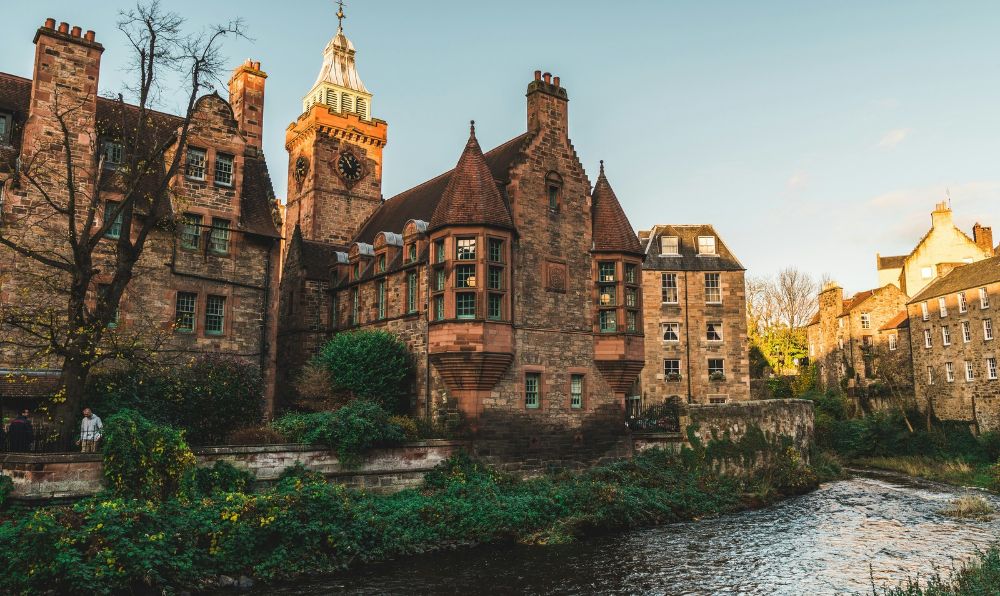
Scotland’s capital is one of Europe’s most beautiful cities, with a medieval Old Town and a Georgian New Town that together form a World Heritage Site. It’s a superb city break in any season, not just during the August festivals.
Getting there: the fastest trains from King’s Cross take just over four hours · Best base: the New Town or Stockbridge
Glasgow
Edinburgh’s livelier neighbour wins people over with its music scene, free museums and Charles Rennie Mackintosh architecture. It’s also the natural gateway to Loch Lomond and the west coast.
Getting there: around four and a half hours by train from London Euston · Best base: the West End or Merchant City
The Highlands
Mountains, lochs and some of the emptiest landscapes in Europe make this the UK at its most dramatic. Inverness is the hub for Loch Ness and the north, and Fort William for Ben Nevis and Glencoe.
Getting there: the Caledonian Sleeper’s Highlander route runs from London Euston to Fort William, Inverness and Aberdeen, six nights a week · Best base: Inverness, Fort William or Aviemore
The islands
From Skye’s jagged Cuillin ridge to the white-sand beaches of the Outer Hebrides and the Neolithic sites of Orkney, Scotland’s islands feel like another world. Plan ahead, because ferries and accommodation book up quickly in summer.
Getting there: Skye is connected to the mainland by road bridge, and most other islands are reached by CalMac ferry or a short flight · Best base: Portree on Skye
Wales
Eryri (Snowdonia)
Wales’s best-known national park is home to Yr Wyddfa (Snowdon), the country’s highest peak. You’ll also find slate-quarrying heritage, glacial lakes and some of the best walking in Britain.
Getting there: around three and a half to four hours by train from Euston to Betws-y-Coed, changing at Llandudno Junction · Best base: Betws-y-Coed or Beddgelert
Pembrokeshire
The UK’s only coastal national park offers clifftop paths, puffin islands and pastel-painted Tenby. Tiny St Davids, Britain’s smallest city, is the perfect base for exploring the far west.
Getting there: trains from London reach Tenby in from about four and a half hours, usually with a change in south Wales · Best base: Tenby or St Davids
The Gower
In 1956 this small peninsula west of Swansea became the UK’s first Area of Outstanding Natural Beauty, a status now known as a National Landscape. Rhossili Bay alone is worth the trip.
Getting there: around three hours by train from Paddington to Swansea, then a 30-minute drive · Best base: Mumbles or Reynoldston
Northern Ireland
Belfast
A city transformed, Belfast offers a lively food scene, Victorian architecture and Titanic Belfast on the site where the ship was built. It’s an easy, rewarding long weekend.
Getting there: around 80 minutes by air from London, with regular flights from Heathrow, Gatwick and other UK airports · Best base: the Cathedral Quarter or Queen’s Quarter
The Causeway Coast
This is one of the great coastal drives, with the basalt columns of the Giant’s Causeway (a UNESCO World Heritage Site), the Carrick-a-Rede rope bridge and clifftop castle ruins. Combine it with Belfast for an ideal four-night trip.
Getting there: around an hour and a quarter’s drive from Belfast · Best base: Portrush or Bushmills
Best UK cities for a weekend
You can reach most of these cities from London in under three hours by train, and each has enough to fill two days without feeling rushed. These are the ones we’d pick for a Friday-to-Sunday escape.
London
There’s no better place to start, and no city that needs more planning. Our London guide covers where to stay, what to book ahead and how to see it at a gentler pace.
Edinburgh
Edinburgh suits a weekend because it’s compact and walkable, and much of it is beautiful. Spend Saturday exploring the Old Town’s closes and the castle, then save Sunday for a climb up Arthur’s Seat and a long lunch in Stockbridge.
Getting there: from just over four hours by train from King’s Cross · Stay in: the New Town · Don’t miss: the view from Calton Hill at sunset
Bath
Bath is the easiest elegant escape from London. A weekend here means Georgian crescents, a soak in the rooftop pool at Thermae Bath Spa, and some of the best independent shopping in the country.
Getting there: around 1 hour 20 minutes direct from Paddington · Stay in: the city centre, within walking distance of the station · Don’t miss: the Roman Baths early in the morning, before the crowds
York
York’s medieval walls, cobbled Shambles and towering Minster make it feel like a city built for wandering. Its fast rail link makes it an easy weekend from London.
Getting there: from 1 hour 46 minutes from King’s Cross · Stay in: inside the city walls · Don’t miss: a walk along the walls themselves, about two miles in all
Manchester
Manchester is a city with real energy. Its restaurant scene rivals any in the UK, and it has great live music, galleries and a strong independent streak, especially in the Northern Quarter and Ancoats.
Getting there: from around two hours from Euston · Stay in: the city centre or Ancoats · Don’t miss: Saturday-night dinner in Ancoats, booked well ahead
Bristol
Creative and laid-back, Bristol pairs a lively harbourside with Banksy’s home-town street art, a thriving food scene and Brunel’s Clifton Suspension Bridge. It also combines easily with Bath, which is a short train ride away.
Getting there: around 1 hour 40 minutes from Paddington · Stay in: the harbourside or Clifton · Don’t miss: the walk up to Clifton for the bridge view
Liverpool
Liverpool is more than its Beatles heritage. Its grand waterfront, world-class museums and famously warm welcome make it one of the most underrated weekends in the country.
Getting there: from around 2 hours 15 minutes from Euston · Stay in: the city centre or the Baltic Triangle · Don’t miss: the Royal Albert Dock and the free museums along the waterfront
Glasgow
For a weekend, Glasgow is all about atmosphere: grand Victorian streets, free museums, and a live music and bar scene that comes alive after dark. Pair it with Edinburgh (less than an hour away by train) for a two-city long weekend.
Getting there: around four and a half hours from Euston · Stay in: the West End or Merchant City · Don’t miss: Kelvingrove Art Gallery and Museum, which is free
Cardiff
Wales’s capital is small enough to cover on foot. It has a medieval castle at its centre, Victorian shopping arcades and a revitalised waterfront at Cardiff Bay, and the Brecon Beacons are within an hour’s drive.
Getting there: around two hours from Paddington · Stay in: the city centre or Cardiff Bay · Don’t miss: the Victorian arcades for independent shops and cafés
Belfast
Belfast makes a perfect short break, with a buzzing Cathedral Quarter, an exciting food scene and Titanic Belfast on the waterfront. With a third day, add a trip up the Causeway Coast.
Getting there: around 80 minutes by air from London · Stay in: the Cathedral Quarter · Don’t miss: St George’s Market, open on weekends
Where to stay
Where you sleep can make a UK trip, so we’ve grouped our favourites by the kind of stay you’re after rather than by place. Every hotel here is somewhere we’d happily send a friend.
Country-house hotels
This is the UK’s great hotel tradition: grand houses in big grounds, with log fires, long lunches and walks from the front door.
The Newt in Somerset
Part working farm, part cider orchard and part five-star hotel, The Newt sits on a sprawling estate between Bruton and Castle Cary. Its Georgian house, gardens and farm-to-table cooking earned it three Michelin Keys in the guide’s first hotel selection, and Time Out named it Britain’s best boutique hotel for 2026.
Nearest station: Castle Cary · [Visit website]
Gravetye Manor, Sussex
This Elizabethan manor near East Grinstead was once home to the pioneering gardener William Robinson, and its gardens are still the main event. The glass-walled Dining Room looks out over them and has held a Michelin star since 2015, retaining it again in 2026.
Nearest station: East Grinstead · [Visit website]
Gilpin Hotel & Lake House, Lake District
This family-run country house sits a mile or two above Windermere and holds two Michelin Keys. Dinner is a choice between SOURCE, which has a Michelin star, and the more relaxed pan-Asian Gilpin Spice.
Nearest station: Windermere, about two kilometres away · [Visit website]
The Fife Arms, Braemar
This former Victorian coaching inn in the Cairngorms National Park was transformed by gallerists Manuela and Iwan Wirth into one of Scotland’s most talked-about hotels. It has 46 rooms and suites, each themed around a place, person or event, along with a remarkable art collection and two Michelin Keys. Balmoral is just down the road.
Getting there: about two hours’ drive from Edinburgh, or around 90 minutes from Aberdeen Airport · [Visit website]
Coastal hotels
These hotels put the sea right outside your window, with beaches, cliff walks and plenty of fresh fish.
Watergate Bay Hotel, Cornwall
Set right above a two-mile beach near Newquay, this is the UK’s benchmark relaxed beach hotel. Its Swim Club spa has a 25-metre infinity pool, an outdoor hot tub and an Atlantic view from almost everywhere. The surf school on the beach makes it a strong choice for families.
Nearest station: Newquay · [Visit website]
The Pig on the Beach, Dorset
This 1825 summer house sits on a clifftop above Studland Bay, with views to Old Harry Rocks on the Jurassic Coast. The menu draws on the kitchen garden and the local coast. It’s ideal for a romantic coastal break, but dogs can’t stay here.
Nearest town: Swanage, about four miles away · [Visit website]
Twr y Felin, St Davids, Pembrokeshire
Wales’s first contemporary art hotel was built around an 1806 windmill in Britain’s smallest city. It’s a short walk from St Davids Cathedral and about ten minutes on foot from the coast path at Caerfai Bay.
Getting there: there’s no railway station in St Davids, so most guests arrive by car · [Visit website]
City boutique hotels
These are characterful bases for a city weekend, all within walking distance of the sights.
Gleneagles Townhouse, Edinburgh
This is the city-centre sibling of Perthshire’s famous Gleneagles, set in a grand former bank building. Time Out ranked it the UK’s best hotel for 2026, praising its restaurant and its interiors.
Nearest station: Edinburgh Waverley · [Visit website]
No.15 by GuestHouse, Bath
Spread across three Georgian townhouses on Great Pulteney Street, No.15 is playful, stylish and full of personality. It has its own spa and welcomes both children and dogs. Pulteney Bridge and the city centre are a short stroll away.
Nearest station: Bath Spa, about ten minutes’ walk · [Visit website]
The Grand, York
York’s only five-star hotel occupies the former headquarters of the North Eastern Railway, beside the city walls and a few minutes from the station. Alongside its restaurants and spa, it runs a cookery school with more than 40 different classes.
Nearest station: York, a few minutes’ walk · [Visit website]
Spa hotels
Lucknam Park, Wiltshire
This Palladian mansion stands in 500 acres on the southern edge of the Cotswolds, near Bath. It combines a large spa, an equestrian centre and Restaurant Hywel Jones, which has held a Michelin star for 21 consecutive years. Condé Nast Traveller readers named it the UK’s best hotel outside London in 2026.
Nearest stations: Bath Spa or Chippenham, then a short taxi ride · [Visit website]
For more spa time, The Newt, Watergate Bay and No.15 (all above) also have excellent spas.
Pubs with rooms
A pub with rooms is a particularly British pleasure. You get a proper pub downstairs, often with serious cooking, and a comfortable bed upstairs, so nobody has to drive home after dinner.
The Star Inn at Harome, North Yorkshire
This thatched inn on the edge of the North York Moors near Helmsley has a Michelin star and an AA rating as a five-gold-star restaurant with rooms. Chef-owner Andrew Pern marked 30 years here in June 2026. The bedrooms are in Cross House Lodge, a short walk from the inn.
Getting there: around 40 minutes’ drive from York · [Visit website]
The Felin Fach Griffin, Powys
This red-brick inn sits between the Brecon Beacons and the Black Mountains, about four miles from Brecon and near the book town of Hay-on-Wye. It has eight rooms with Welsh wool blankets, an open-all-day bar and a deliberately unfussy approach summed up in its motto, “the simple things in life done well”. It welcomes dogs.
Getting there: around three hours’ drive from London, or about an hour from Cardiff · [Visit website]
Things to do
From clifftop walks to world-class galleries, there’s more to do in the UK than any one trip can fit. These are the experiences we’d build a break around.
Coast
Britain has more than 11,000 miles of coastline, and nowhere is more than about 70 miles from the sea.
- Walk a stretch of the South West Coast Path. England’s longest National Trail runs 630 miles around Somerset, Devon, Cornwall and Dorset. You don’t need to tackle it all: a single day between St Ives and Zennor, or along the Jurassic Coast to Durdle Door, shows why it’s so loved.
- Explore Pembrokeshire by sea. Boat trips from St Davids and St Justinians head out to Ramsey and Skomer islands. Visit in late spring and early summer to see puffins.
- Watch the sunset on the Isle of Skye. Drive the Trotternish loop past the Old Man of Storr and the Quiraing, and finish in Portree as the light fades.
- Walk the Causeway Coast. The cliff path between the Giant’s Causeway and Dunseverick is one of Northern Ireland’s finest short walks.
[Read our guide to the best UK coastal walks]
Countryside and walking
The UK has 15 national parks and an extensive network of public footpaths, so there’s a walk for every level.
- Climb a fell in the Lake District. Catbells, near Keswick, is the classic first summit, with huge views for a modest climb.
- Walk the West Highland Way. Scotland’s most popular long-distance trail runs 96 miles from Milngavie, near Glasgow, to Fort William. Even a two-day section through Glen Coe is worth the effort.
- Explore the Yorkshire Dales. Malham Cove, Gordale Scar and Janet’s Foss make a superb circular day walk.
- Ride a heritage railway. The Ffestiniog in Eryri and the North Yorkshire Moors Railway are attractions in their own right.
[Read our guide to the best UK walks]
Culture and heritage
Few countries pack this much history into so small a space, and the contemporary cultural scene is just as strong.
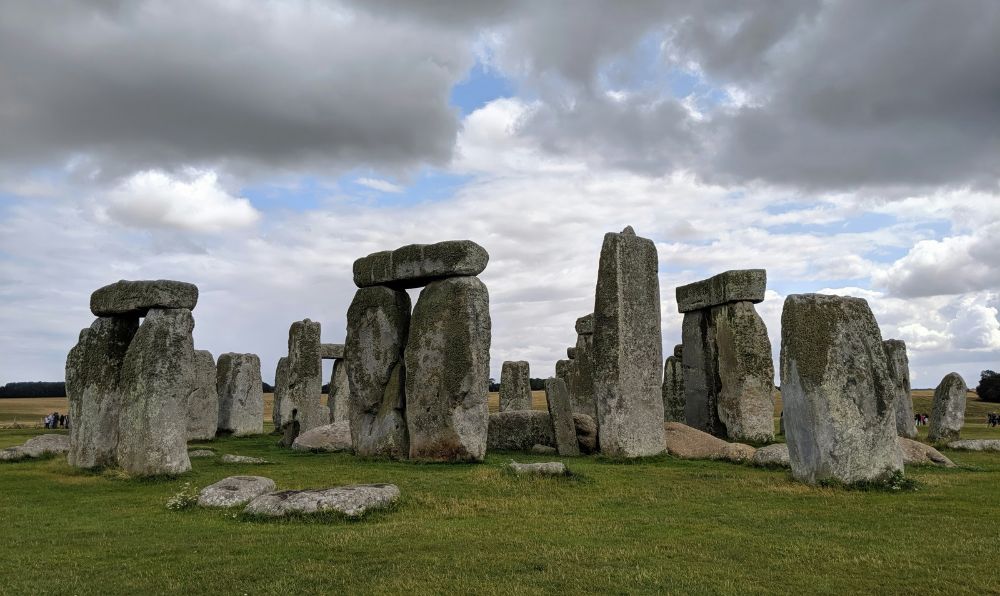
- Stand among the stones. Stonehenge is the famous one, but nearby Avebury lets you walk freely among the stones. Orkney’s Ring of Brodgar is older still.
- Walk Hadrian’s Wall. The best-preserved stretch runs between Housesteads and Steel Rigg in Northumberland, about 1,900 years after the Romans built it.
- Tour a stately home. Chatsworth in the Peak District, Blenheim Palace in Oxfordshire and Castle Howard in Yorkshire are all worth a full day.
- See art on the coast. Tate St Ives, Turner Contemporary in Margate and V&A Dundee each pair great galleries with a seaside setting.
- Time it for a festival. Edinburgh in August, with the International Festival and the Fringe, is the world’s biggest arts celebration. Hay Festival in late spring is a highlight for book lovers.
[Read our guide to the best UK culture breaks]
Gardens
Britain may have the world’s greatest gardening tradition, and spring and early summer are the best times to see it.
- Sissinghurst Castle Garden, Kent: Vita Sackville-West’s romantic garden rooms, including the famous White Garden
- Bodnant Garden, Conwy: terraced gardens above the Conwy valley, best known for the laburnum arch in late May
- The Eden Project, Cornwall: giant biomes in a former clay pit, worth a visit in any weather
- Inverewe, Wester Ross: a subtropical garden on the same latitude as Siberia, kept frost-free by the Gulf Stream
- The Newt in Somerset: the gardens are open to day visitors as well as hotel guests (see Where to stay)
[Read our guide to the best gardens to visit in the UK]
Wellness
Slow travel is having a moment, and the UK does it well.
- Bathe in Bath. Thermae Bath Spa’s rooftop pool uses the city’s natural thermal water, Britain’s only hot springs. Go at dusk for the view over the Abbey.
- Try a coastal sauna. Seaside saunas have spread along the coast from Cornwall to the Scottish Highlands. A sauna then a sea dip makes a bracing hour.
- Book a spa break. Our pick of the UK’s best spa hotels is in Where to stay.
[Read our guide to the best UK wellness retreats]
Plan your trip
Getting around
By train
Rail is the easiest way to travel between cities and to many of the regions in this guide. Most main lines start from London: King’s Cross for York, Edinburgh and the east coast; Euston for the Lake District, Manchester, Liverpool and Glasgow; Paddington for Bath, Bristol, Cornwall and south Wales; and St Pancras for Sheffield, the Peak District and Kent.
- Book ahead for long journeys. Advance tickets on intercity routes are usually far cheaper than buying on the day.
- Buy a Railcard if one fits. Railcards cut a third off most fares. For example, the Two Together Railcard gives 1/3 off adult fares for two named people travelling together and costs £35 a year, and there are also versions for families, 16 to 30-year-olds and over-60s. Two Together and some other Railcards can’t be used before 09.30 on weekdays, but there are no restrictions at weekends and on bank holidays. thetrainlinegreateranglia
- Know Scotland’s fares. ScotRail scrapped peak fares permanently from 1 September 2025, so you can travel any time of day on Scottish routes at the same price. globalrailwayreview
- For overseas visitors, consider a BritRail pass. It’s a flat-rate pass covering National Rail services across Britain, sold only to people who live outside the UK, so it has to be bought before you arrive. Regional versions cover England, the South West and South Wales, and Scotland. artofthetravel
By sleeper train
The Caledonian Sleeper is one of the great ways to reach Scotland: board in London in the evening and wake up in the Highlands. The Highlander route runs between London Euston and Fort William, Inverness and Aberdeen, while the Lowlander runs to Glasgow and Edinburgh. Trains run six nights a week (not Saturdays), and you can book up to a year ahead. sleepertimeout
By car
The national parks, the Cotswolds, the Scottish Highlands and much of rural Wales are far easier to explore with a car. Many travellers take the train to a regional hub and hire a car there. Remember that we drive on the left, and that rural roads can be narrow, so allow more time than the satnav suggests.
By ferry
CalMac ferries serve most of Scotland’s west-coast islands, and these routes book up quickly in summer. Northern Ireland is reachable by ferry from Cairnryan in Scotland and from Liverpool, as well as by a short flight.
When to go
Late spring (May and June) and early autumn (September) are our favourite times to visit, with long days, fewer crowds and lower prices than in high summer. July and August bring the best beach weather and the big festivals, but also school-holiday crowds and higher prices. Winter is the time for city breaks, cosy country-house stays and Christmas markets. The weather can change quickly year-round, so pack a waterproof whatever the season. For a season-by-season guide, see The UK by season above.
How long to allow
- A weekend: one city, or one region within three hours of home
- A long weekend (three to four nights): a city plus a nearby region, such as Edinburgh and the Highlands, or Bath and the Cotswolds
- A week: two or three regions linked by train, such as London, York and Edinburgh
- Two weeks: a proper tour of England, Scotland and Wales, with a sleeper train to save a day of travel
Arriving from abroad
Electronic Travel Authorisation (ETA)
Most visitors who don’t need a visa, including travellers from the EU, the US, Canada and Australia, now need an ETA before they travel. The ETA fully came into force on 25 February 2026, and it is valid for two years, with stays of up to six months per visit. From 8 April 2026 the ETA costs £20, and it’s needed for every traveller, including children. The government advises applying at least three days before you travel, although most applications are processed in minutes. British and Irish citizens are exempt. Apply only through the official GOV.UK website or the UK ETA app, because unofficial sites charge extra. Europe – United Kingdom +5
Airports and Eurostar
Heathrow and Gatwick are the main international gateways. Manchester, Edinburgh, Birmingham and Bristol all have good international links too, and arriving at one of them can save a trip into London. From Paris, Brussels and Amsterdam, Eurostar arrives at London St Pancras, which is right next to King’s Cross for trains north.
Booking tips
- Hotels: book three to six months ahead for summer weekends, festival dates and popular coastal hotels
- Restaurants: the most sought-after tables, especially Michelin-starred and destination restaurants, often open bookings two to three months in advance
- Trains: advance fares are usually released about 12 weeks before travel
- Ferries and the sleeper: book as early as possible for summer travel
- Midweek stays: many country hotels offer better rates from Sunday to Thursday outside school holidays
Frequently asked questions
Do I need an ETA to visit the UK?
Most visitors who don’t need a visa, including travellers from the EU, US, Canada and Australia, need an Electronic Travel Authorisation before they travel. It costs £20 per person, children included, and is valid for two years. British and Irish citizens don’t need one. Apply through GOV.UK or the official UK ETA app.
When is the best time to visit the UK?
Late spring (May and June) and September offer long days, milder weather and fewer crowds than high summer. July and August are best for beaches and festivals but busier and pricier. Winter suits city breaks and Christmas markets.
What’s the best way to get around the UK?
Trains are the easiest way to travel between cities, and a Railcard saves a third on most fares. For national parks, the Cotswolds and the Scottish Highlands, a car gives you far more freedom. Many travellers take the train to a regional hub and hire a car there.
Can you take a sleeper train to Scotland?
Yes. The Caledonian Sleeper leaves London Euston six nights a week (not Saturdays). The Highlander runs to Inverness, Fort William and Aberdeen, and the Lowlander runs to Edinburgh and Glasgow.
How long does the train take from London to Edinburgh?
The fastest trains from King’s Cross take just over four hours. Most services take around four and a half hours.
What are the best UK cities for a weekend break?
Edinburgh, Bath, York, Manchester, Bristol, Liverpool, Glasgow, Cardiff and Belfast all make excellent weekend breaks. Bath and York are the quickest from London, at around 1 hour 20 minutes and under two hours by train respectively.
How many days do you need in the UK?
A weekend is enough for one city. With a week, you can link two or three regions by train, such as London, York and Edinburgh. Two weeks allows a proper tour of England, Scotland and Wales.
Where are the best restaurants outside London?
Moor Hall in Lancashire is one of only ten restaurants in Britain and Ireland with three Michelin stars. Ynyshir in Mid Wales and Restaurant Andrew Fairlie at Gleneagles each hold two. For pubs, the Unruly Pig in Suffolk, the Woolpack Inn in Gloucestershire and the Star Inn at Harome in Yorkshire all ranked in the top five of the 2026 Top 50 Gastropubs.